




![Senior varsity track stars, Edward Jones and [name], pass the baton off in the 4x400.](https://lamarlife.org/wp-content/uploads/2026/05/VARSITYTRACK.3.19.26.aw-186-1200x800.jpg)
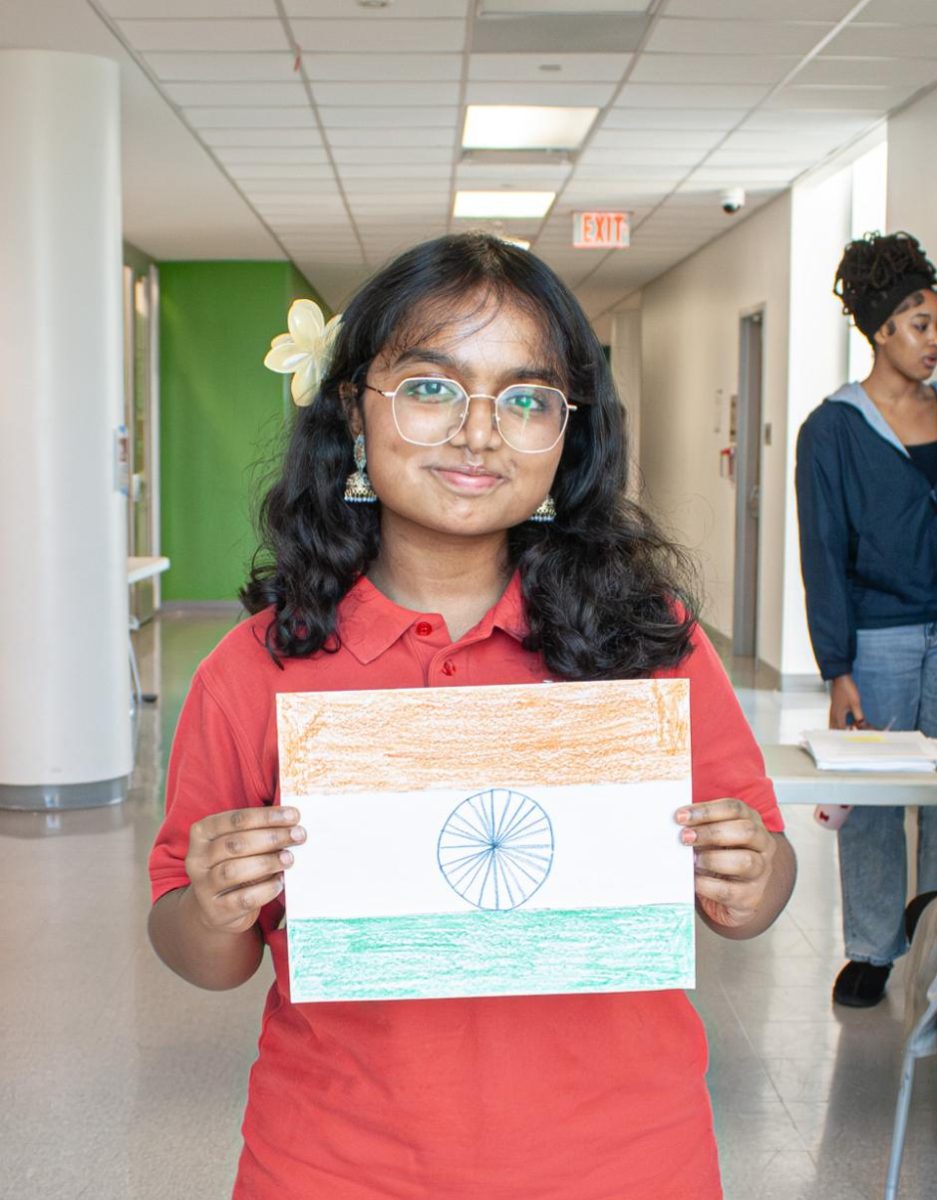
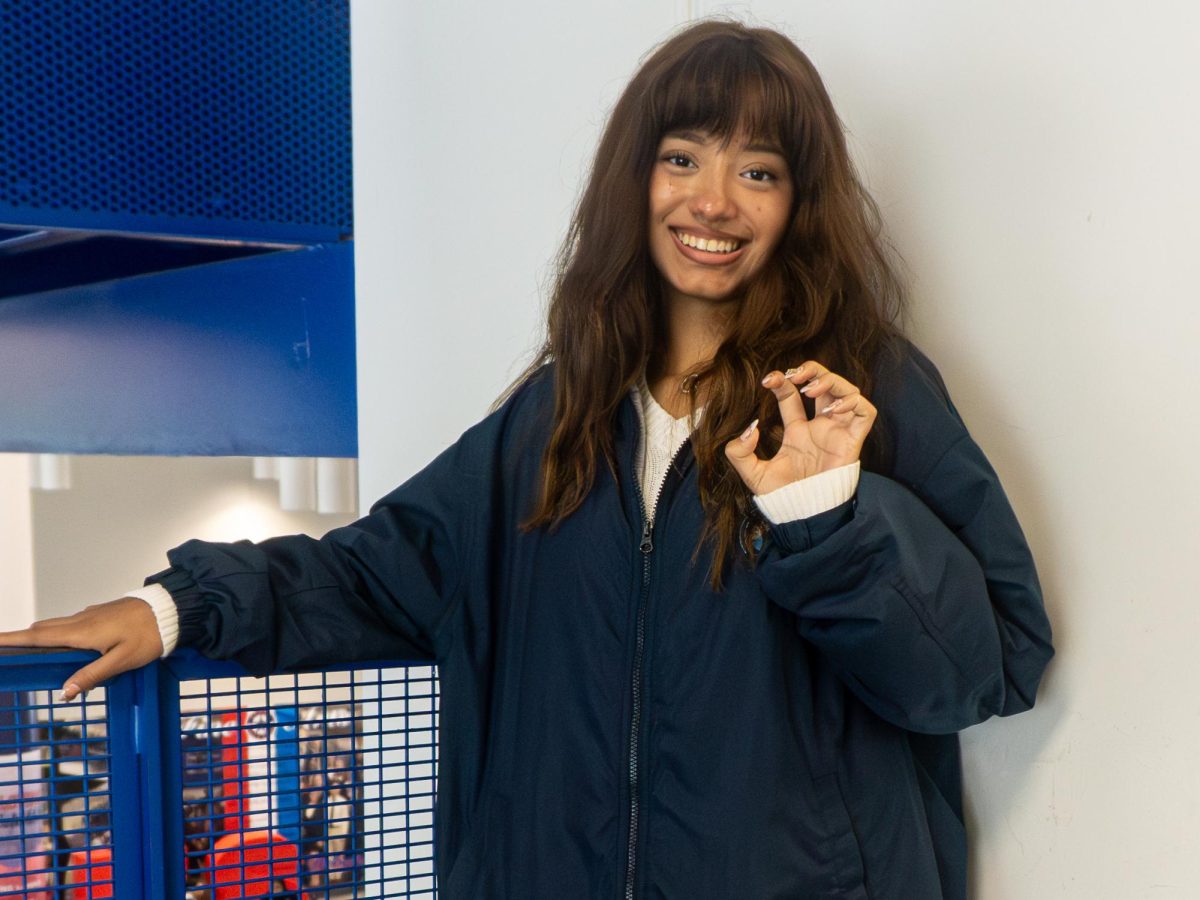



Among the bustling streets of Thailand, neighboring parlors of Indian aunties, and colorful small-towned Philippines are the lived experiences of three students from three Asian countries. While most might expect language or social barriers to be the most challenging to overcome, seniors Ehren Devera, Nihaarika RoshanRaj, and Krittipat “Rio” Lapasumpanno, from the Philippines, India, and Thailand describe the smaller shifts as a whole process of relearning the new and embracing the old.
In the U.S. it might be common to commute, work, or run errands all alone, but this individualist culture strays away from the habitual normative of others. Devera shares this shock from the Philippines coming from a largely family-oriented background. “The U.S. is different because everyone is busy with their own lives and priorities, so it’s harder for me to build a sense of community,” she says. For Nihaarika from southern India, a similar pattern appears. “America is a very individualist country, but I come from a place that is very dependent on community. Here, however, there is a big emphasis on self-reliance, which is great, but I’m not very used to it,” she explains. While the shift from collectivist to individualist poses a large learning curve, it is also described as beneficial. Rio explains this difference as a point of improvement within his own education. “In the U.S. you have to take care of yourself to be good in school, but in Thailand you are always reminded of what to do. Here, the teachers will be like, ‘if you don’t do it, it’s on you.’ And I think that’s good; you get to grow and be independent.”
As depicted in American cult classics, such as The Breakfast Club, Mean Girls, or High School Musical, its portrayals of high school life have since become the renowned blueprint. Yet, some still anticipate life to be just as the movies show. As a result, Rio cites the current dress code, computers, lack of lockers, libraries, and open campus to be a jarring acclimation from the movies. Even “normal” things for us bring shocking realizations to others. For instance, the humongous food sizes that can only be described by Devera as “bigger than her head” or the everyday greetings we share among one another. “When I walked outside in India, I used to ignore people. But here, the three words most added to my vocabulary that I have since used are ‘excuse me’, ‘please’, and ‘thank you’,” Nihaarika recites. She adds how this small difference has since allowed her to open up more. In addition, the expected tipping culture, travel accessibility, and classroom dynamics have been new aspects to get accustomed to. “In India, the teachers are almost as close to God for us,” Nihaarika jokingly says. “But here, teachers are very friendly to students. That’s really new to me.”
When debunking common generalizations, Nihaarika explains that language differences don’t always pose problems due to her multilingual background. “In India, English was our predominant language of instruction. Even then, we can always connect with laughter!” The same applied to Devera who regularly spoke both Tagalog and English in the Philippines.
Other assumptions were also brought up, like how “less common” Asian countries often get fewer recognition. “People don’t really know Filipinos and usually only tend to think of China, Japan, and Korea,” Devera reveals.
The U.S. being as culturally diverse as it is has made the transition imbued with new experiences, opportunities, and people. Devera relates to having met a lot of Filipino and non-Filipino friends in the states. However, this fluidity isn’t always as easy for others. “I sometimes feel like I’m in between both countries. Like, I’m too white for my country [Thailand] but I’m too Asian for here,” Rio admits. But as Nihaarika puts it, “I haven’t completely lost my original sense of cultural identity. More so, I’ve become more culturally aware coming to the U.S., getting to experience so many different cultures in one place. I’ve adapted and am learning how to live with both worlds.”