








![Senior varsity track stars, Edward Jones and [name], pass the baton off in the 4x400.](https://lamarlife.org/wp-content/uploads/2026/05/VARSITYTRACK.3.19.26.aw-186-1200x800.jpg)









Day by day, society decays a little more from the inside-out — not from poverty, nor from disease, but from a lack of human kindness and empathy.
A loneliness epidemic runs rampant despite our access to what is the easiest tool to form connections: social media. However, underneath the facade of body positive beauty influencers and hopecore memes, there lies a dark side — whether it be through audios with underlying racism or trends that exploit minorities, the never-ending loops of short-form videos sway people to feed into hate and ignorance by reassuring their already negative thoughts. Exposure to violence is constant; the platform for politics is polarized, and our society — both on and offline — doesn’t seem to have a prioritized problem it’s working towards.
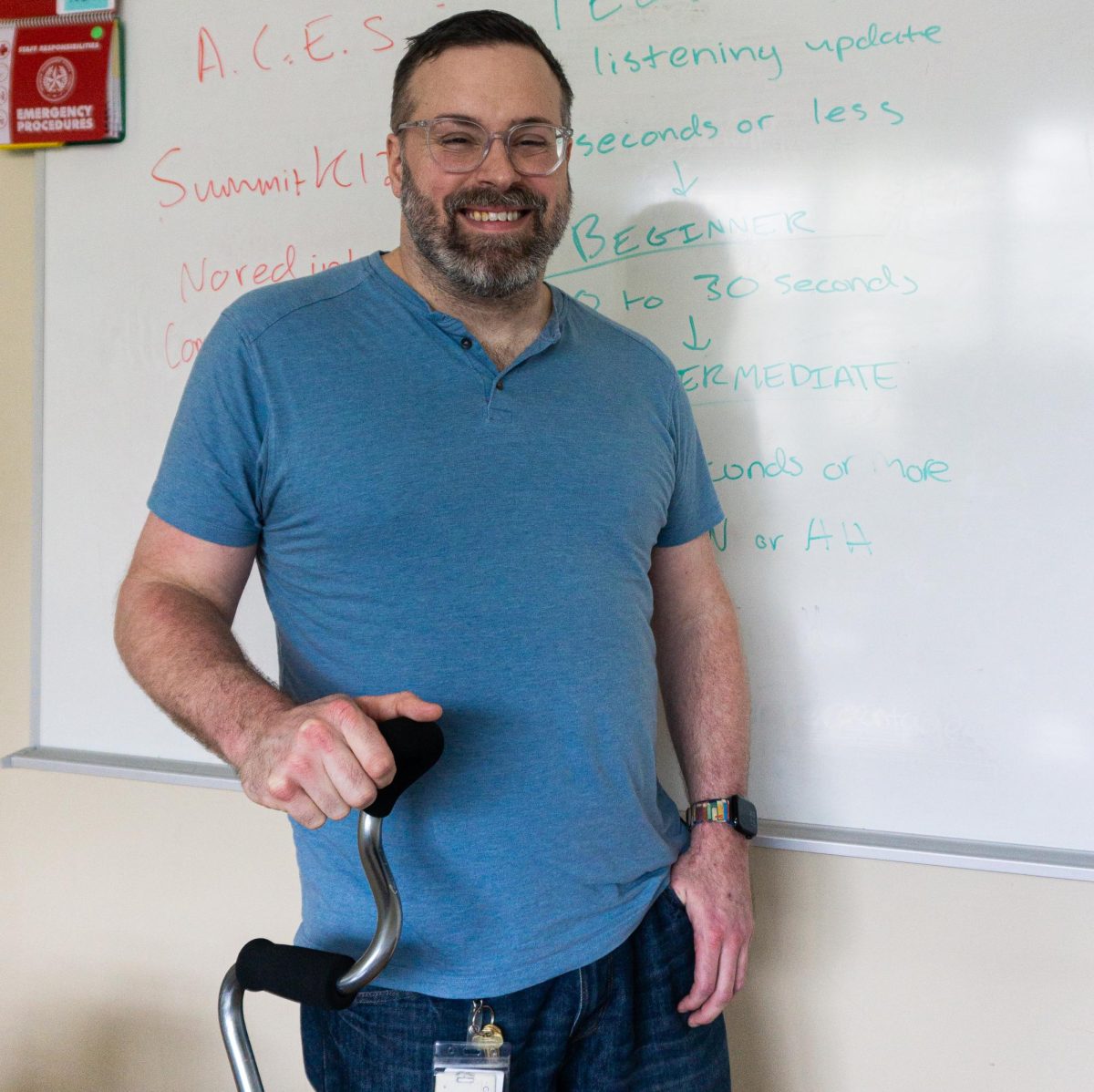
“You can say all sorts of terrible things when you’re not next to somebody. We’re disconnected from what we’re saying and how it could affect other people,” says Theory of Knowledge teacher Roberto Argentina. “The ugly things that ugly people write on social media are mostly because they are not in somebody’s face.” This circumstance doesn’t only affect the virtual world; it also disconnects us from society.
According to the Stan Richards School of Advertising and Public Relations, a phenomenon known as echo chambers feed “off of confirmation bias, which describes the way people perceive and take in information by filtering it through our preexisting beliefs and opinions.” Social media has the ability to create these echo chambers and rifts that create divisions digitally, which in turn creates the hate that people act on. The deeper you dive into these echo chambers, the more you believe that your beliefs are universal and true and begin to refuse to accept others’ opinions and differences. “Most of the echo chambers basically glorify whoever is in them and demonize whoever is outside,” says Mr. Argentina. “Once you become friends with a certain group of people, all of a sudden it becomes tribal and it’s very difficult to get out of it.”
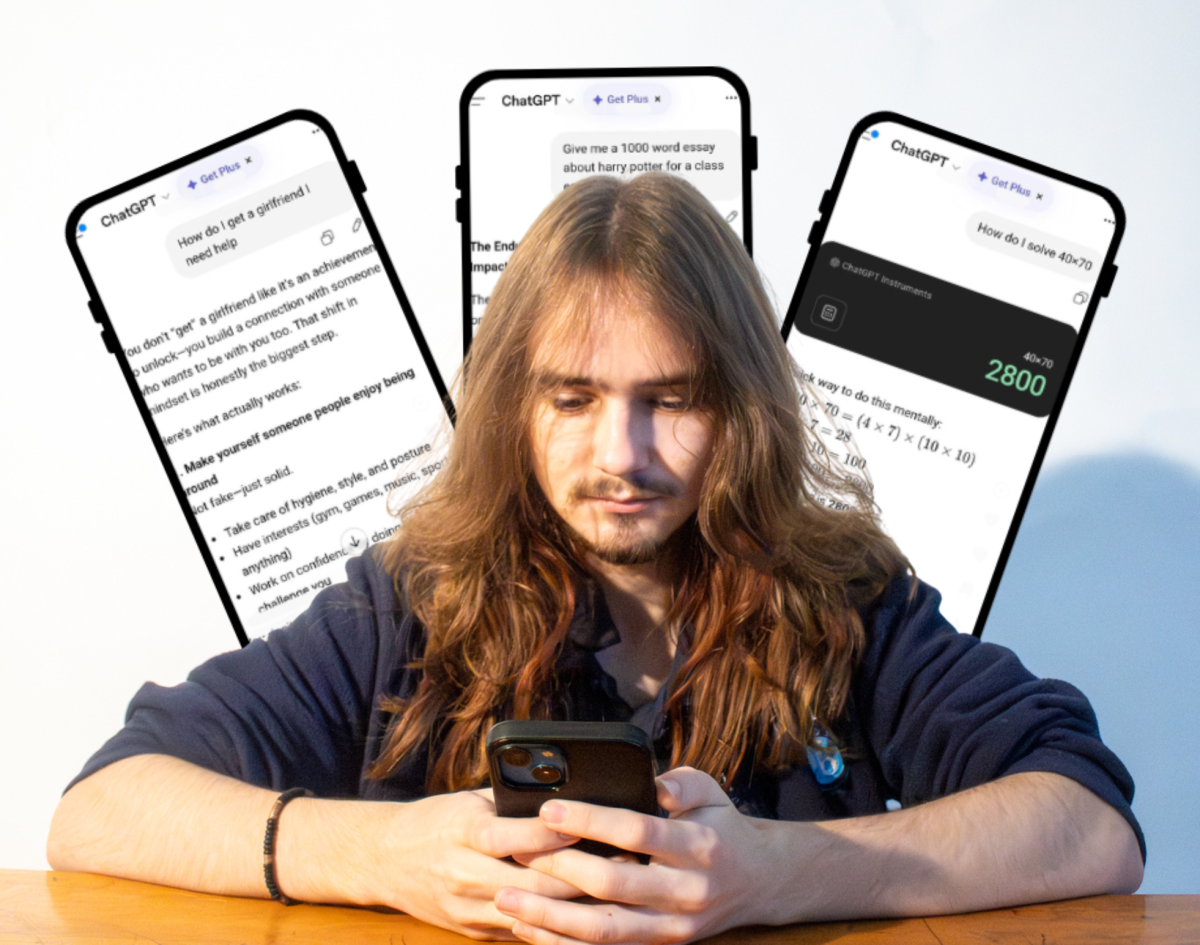
Additionally, AI-driven algorithms are able to appeal to someone’s ideas through tailored content, influencing a person to believe that their individual beliefs are common or acceptable, which may not be true. Therefore, it becomes harder to be kinder to those that aren’t on your side. It becomes harder to empathize with others and accept that their opinion isn’t like yours. It becomes harder to stray away from the community of users that agree with you, because once you do, you’re one of “them,” whomever that may be.
“Empathy is a big part of the human experience. By removing it, you become less than human, and then you inspire other humans to become less human and so on. It’s all a downward cycle,” explains Mr. Argentina.
The fix is undefined. “It hasn’t gotten better,” says philosophy teacher, David Fisher. “There is not a feasible [solution]. Social media is not going anywhere. Phones are not going anywhere as well.”
The situation’s full effects aren’t fully measured either. “We see this in recent tragedies that are already polarized,” says Mr. Fisher, “Where is the empathy for them, whether you love these people or not? It immediately blows up on social media, and then it’ll be gone. It’ll be replaced by the next terrible thing that makes us choose sides again, and then the next, and the next.”
Devastation and destruction from controversy are no longer relevant, as Google Trends discovered the peak of a major news story after a mere week. Seven days.
“We are all guilty of being tribal in some sense, especially with social media. Everyone is,” says Mr. Fisher. “It takes effort to want to look and understand other people, and it takes effort to care for other people, especially if you don’t know them or if they’re from the ‘other side’.”
Social media is made to promote consumerism, not human connection. If you are too busy wondering what the next “Labubu Dubai Chocolate” is, global war or local disasters can seem irrelevant or uninteresting to you. Why go out and publicly protest when you can repost a video of someone else doing so? Why boycott companies with harmful labor standards, when they’re setting the standard of what looks good? Why fight at all, when you can simply scroll past the sick, the needy, or the people who learn English to simply beg for help online?
“Step back,” says Mr. Fisher. “Make the conscious effort to put your phone down and make an effort to embrace the real world and get out and talk to people. Meet people different from you, they’re all around us, they’re inevitable.”
“You can only save yourself,” says Mr. Argentina. “You can tell somebody that you don’t agree with them while still being empathetic to their point of view. Society has its ups and downs, growing with kindness is our only hope.”
Despair cannot be the path we take. However, for society to move forward, it only takes one to change everything with kindness.