







![Senior varsity track stars, Edward Jones and [name], pass the baton off in the 4x400.](https://lamarlife.org/wp-content/uploads/2026/05/VARSITYTRACK.3.19.26.aw-186-1200x800.jpg)
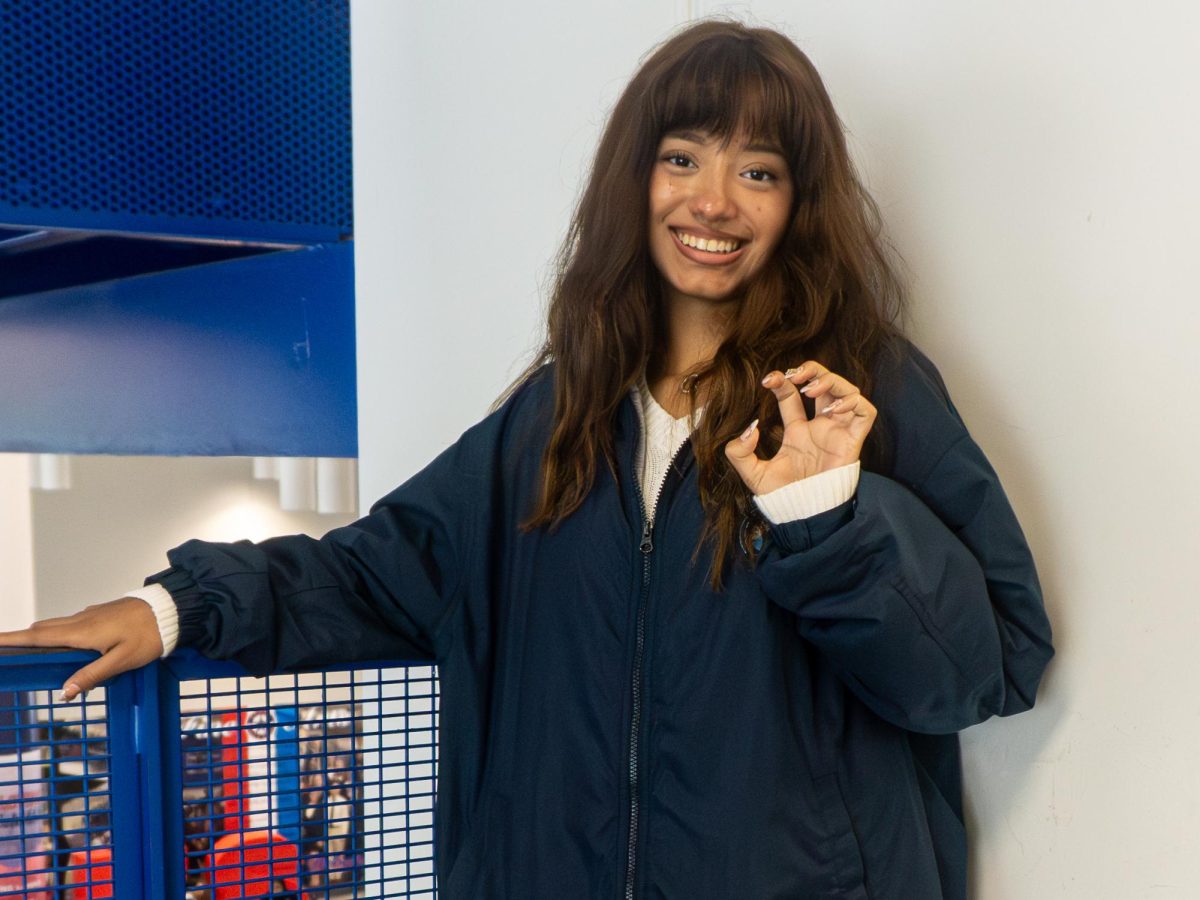







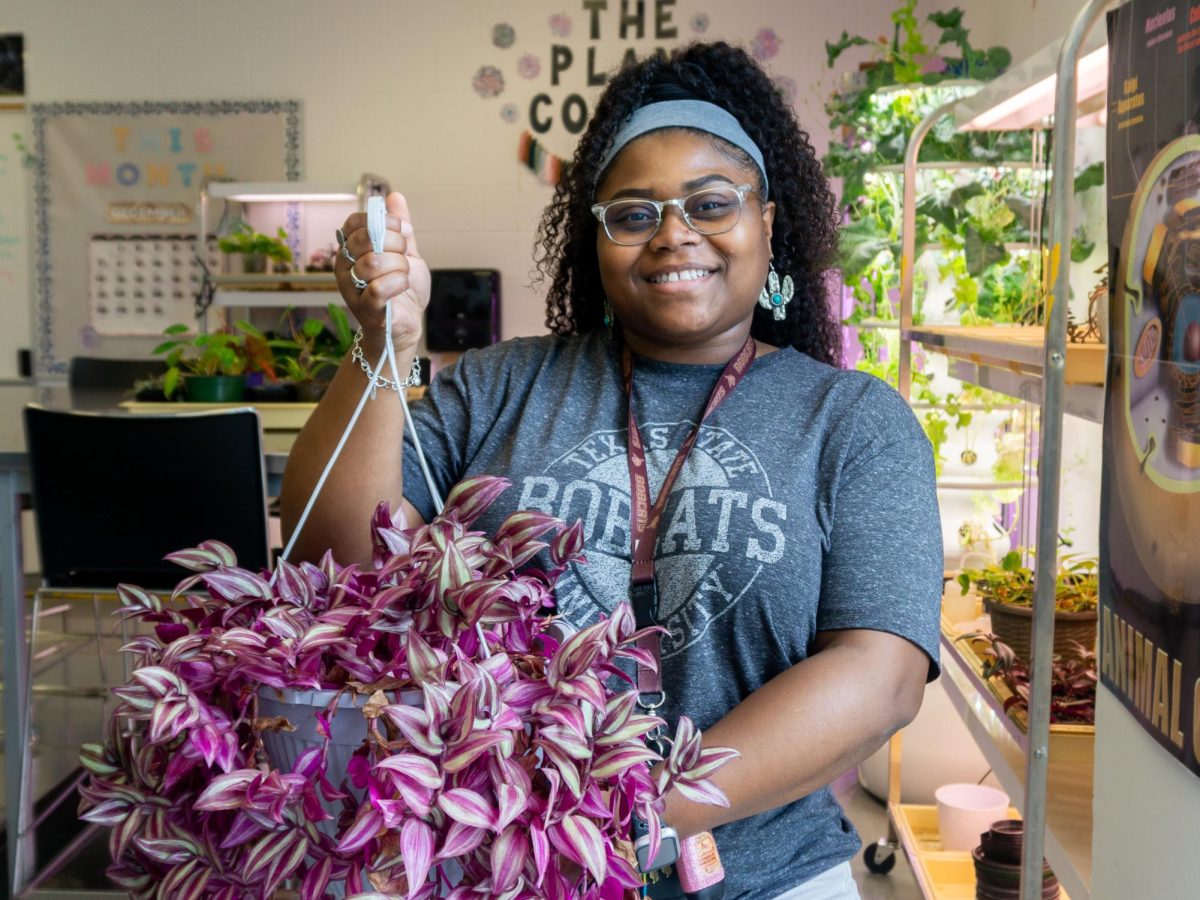

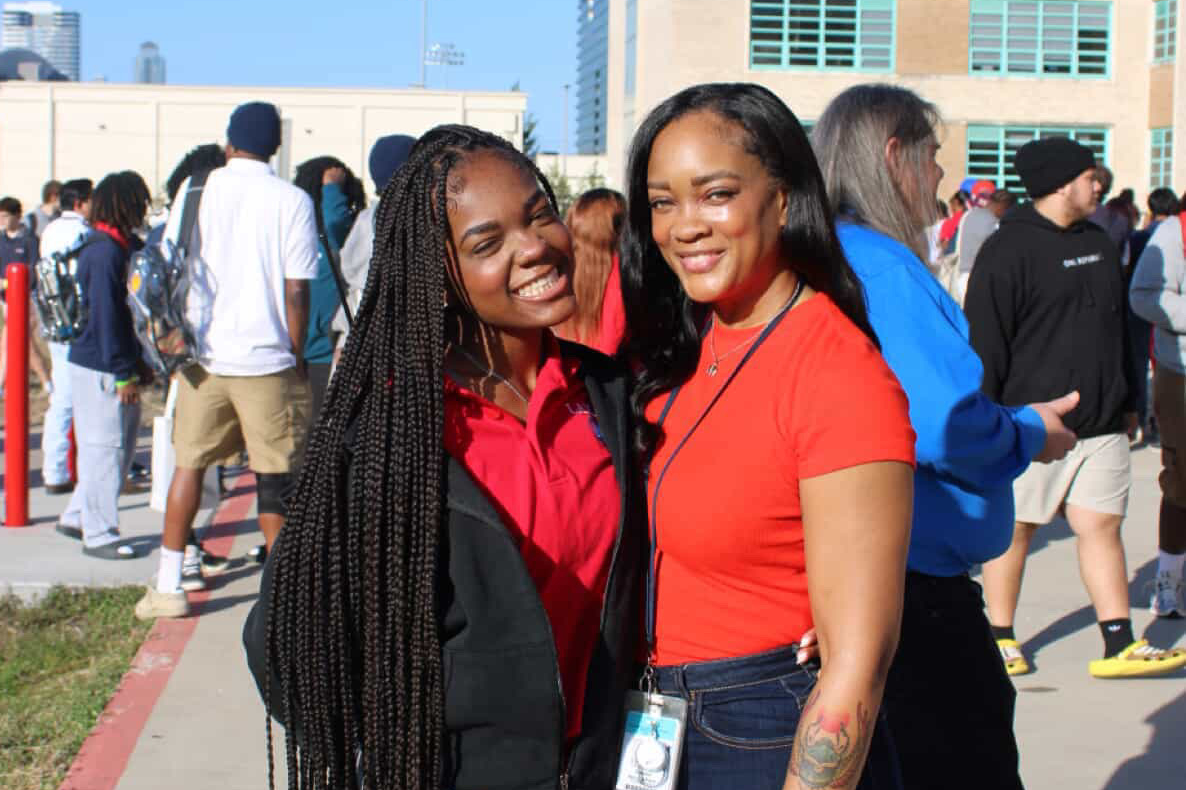

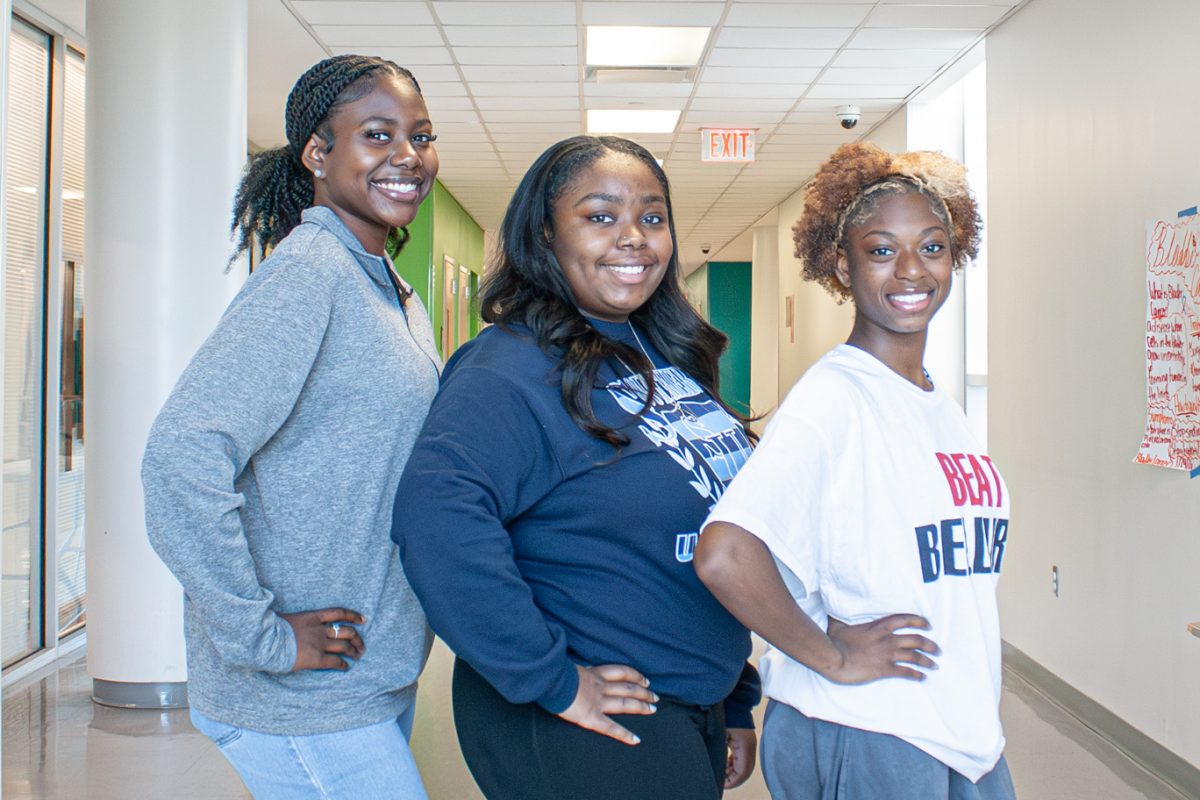
Black hair has never been just hair. It’s history and culture woven together strand by strand.
Hairstyles weren’t simply creative — they were strategic. During slavery, cornrows and other styles were used as maps to freedom, hiding routes and resources.
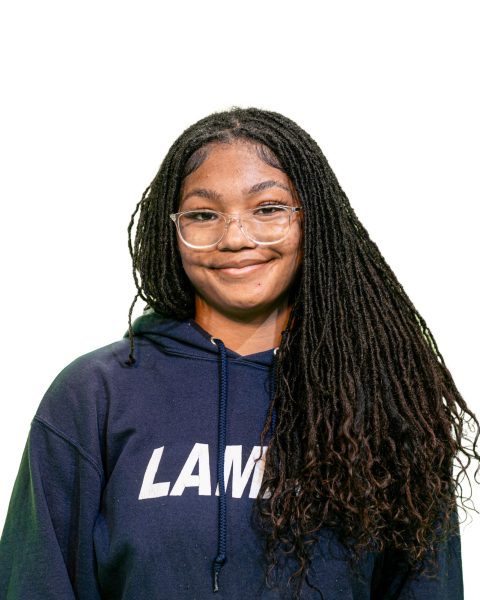
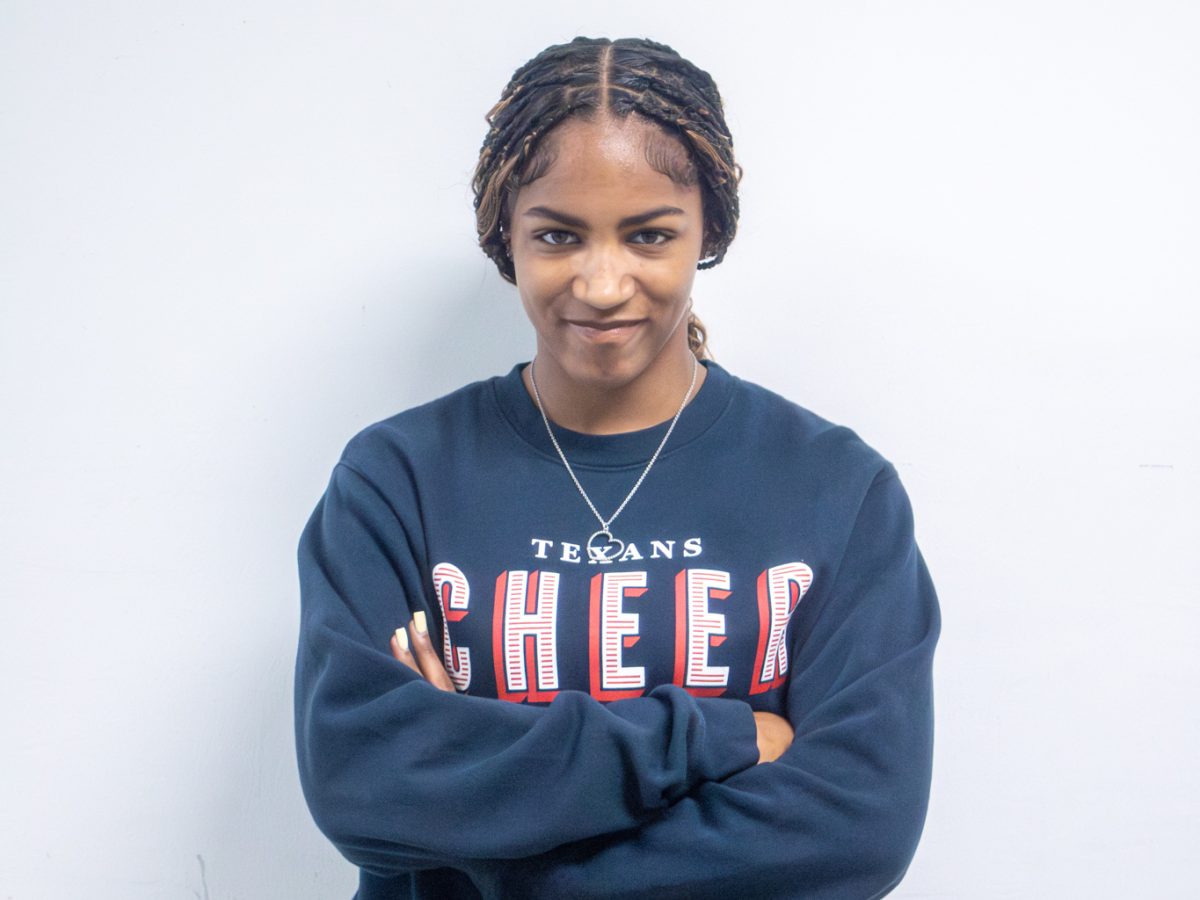
While the reasons for styling hair may have shifted in today’s world, the significance has not. This February, it’s time to celebrate. Be proud of the coils, the shape, the shrinkage — every part of it — because as senior Javaiya Colvin emphasized, “Black hair is power.” It should be honored, protected, and admired. “I love my hair,” affirmed senior Alexia McKenzie. “My locs are versatile, low-maintenance, and pink. What’s not to love about that?”
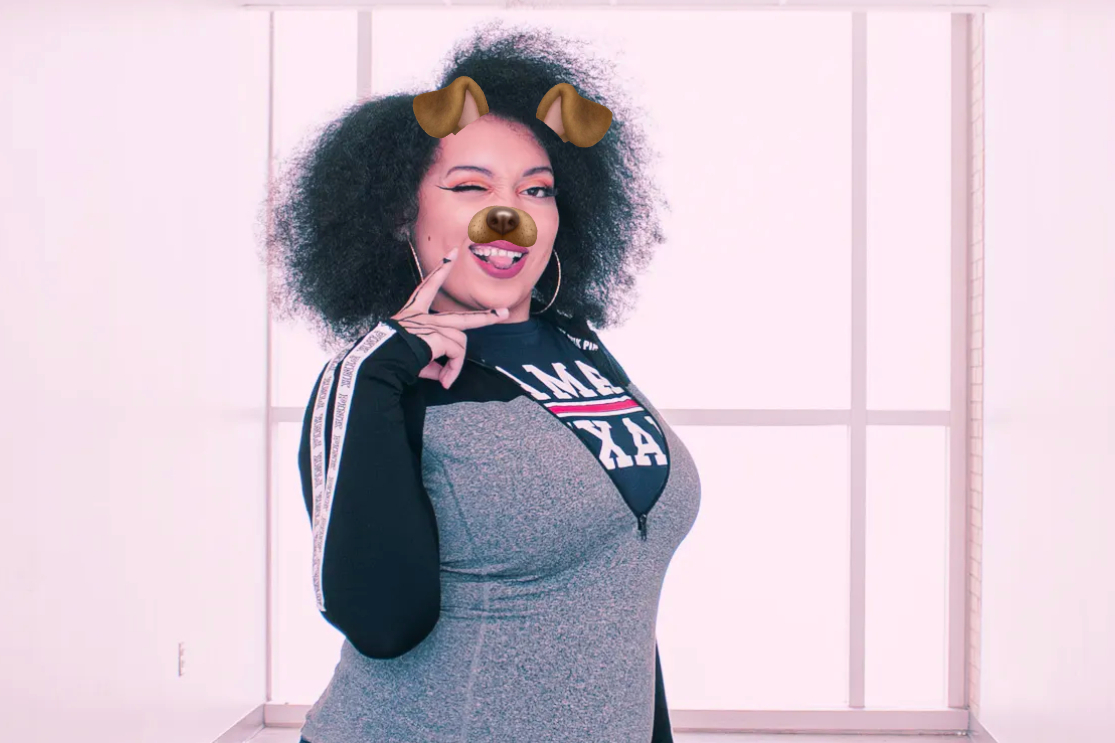
Switching up styles can completely emphasize your mood. “Baby, when I put on a lace front, you can’t tell me anything,” sophomore De’Ahnah Delk admitted with confidence. “I feel like the prettiest girl ever.”
However, it isn’t all unicorns and rainbows. The illusion of effortlessness is just that — an illusion. Those with curly hair don’t “wake up like that”. Styles that look simple often take real time and effort, which Colvin knows all too well, especially when it comes to slick backs. “Every time I do one, just know I got frustrated like twenty thousand times before the end result,” she laughed. “It’s honestly ridiculous how many hours I spend in the mirror doing my hair; it’s definitely not for the weak.”
Apparently neither is wash day, according to Delk. “True to its name, it takes all day, at least for me,” she shared. “With detangling and conditioning — it can get quite irritating.” Yet, once the process is over, the reward makes it worth it. “When my hair is clean and curly, I feel beautiful, especially because that means a hair appointment is around the corner.”
Hair maintenance can feel overwhelming, which is where hairstylists come in. Stylists are lifesavers — and sometimes lowkey therapists. There’s something special about venting while hair care is happening. Finding the right stylist, though, can feel like dating. However, when it finally clicks, it’s unmatched. Though most stick to one stylist, it’s okay to have more than one. Colvin shares, “No matter where I go, the vibe is always the same and I leave feeling confident.”
Others prefer a different route. McKenzie, for example, has been doing her own hair for years. “It’s a pretty tedious task,” she acknowledged. “But I like doing it myself because I know my hair and how to upkeep it.”
Yet before salons and stylists, many of the most meaningful moments started at home. Delk remembers how her mother would do her hair every day before school. “She was the first person to tell me how pretty I was, and how beautiful my hair was, which is very important in a young Black girl’s life,” recalls Delk.
Moments like these bring the conversation into full circle. Black hair is history, creativity, struggle, and pride all at once — shaped at home, styled in salons, and worn boldly every day.
Celebrating Black hair means recognizing its past, appreciating its present, and honoring it for what it has always been: power, identity, and a crown that deserves respect.
“Every Black girl should love her hair—whether it’s curly or coily, short or long, natural or protective,” emphasizes Delk. “Love your hair. It holds memories and beauty.”