



![Senior varsity track stars, Edward Jones and [name], pass the baton off in the 4x400.](https://lamarlife.org/wp-content/uploads/2026/05/VARSITYTRACK.3.19.26.aw-186-1200x800.jpg)




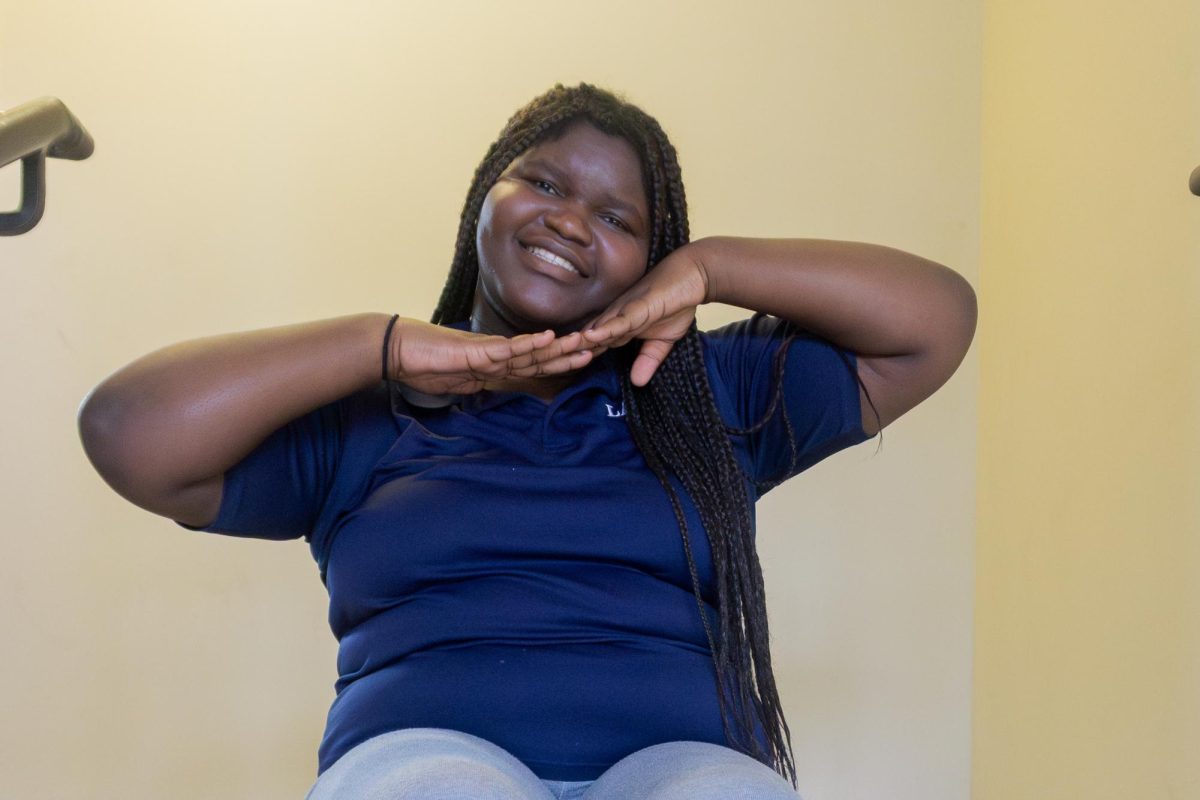
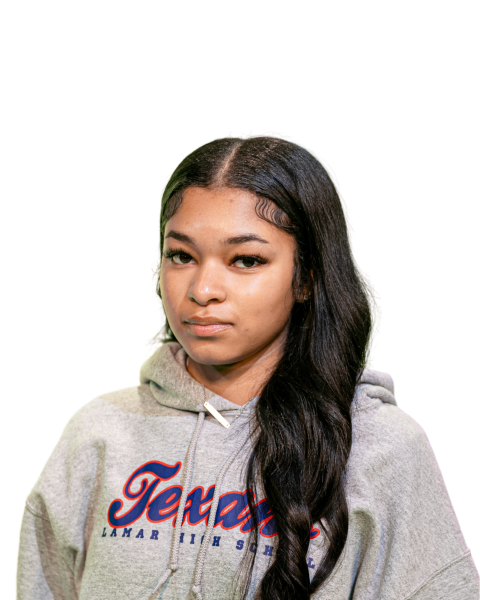
Sophomore Tete Bankita is a different person in every place she goes. In France, she’s too American. In America, she’s not black enough. In Congo, she’s just someone else. The judgement and the pressure of others around her have made it hard for Bankita to embody all of her cultures at once.
All of Bankita’s ethnicities might not seem that significant to her daily life, yet it has been overwhelming for her to fit in and find herself with her peers because they don’t understand having multiple cultural identities. “People used to call me whitewashed. They were like, ‘you’re not black enough’ because I don’t have a lot of black friends. They treat me differently than others,” says Bankita. Her French peers don’t support her various identities either. “When I’m in France, people think I’m too American,” expressed Bankita.
The start of her unbalanced social life began when moving between countries from an early age. “I know how it feels to be alone because when I moved to the US, I would be by myself during lunch. It hurt my feelings,” states Bankita. Not only was social interaction hard, but the racism in the States has made it difficult to carry her identities with her. “There is a lot of racism here, but in [Marseille, France] everyone treats each other the same because there are different people,” says Bankita. She explains how races in the States treat each other differently due to this underlying racism. “For example, there are different groups of people with multiple races sitting together in France, but, in America, that’s not the case,” adds Bankita.
When moving to the States, Bankita felt harsh rejection and judgement from her peers due to her looks. “I might not look like it, but I’m a really sweet person. People usually say that I look mean. They look at me and think that I’m going to bully them. I’m actually really funny and kind,” she states.
Different schooling systems with various social settings invited Bankita to overcome each new school’s challenges with a positive mindset and willingness to break through stereotypes. Language barriers, different accents, new grammar, vocabulary rules, classroom layouts, and expectations followed her each time she moved. “Teachers expected more participation, like speaking up in class and doing group work, which was uncomfortable for me at first. I was also confused by grading systems, assignments, and school rules. I sometimes felt behind even though I was trying my best,” pointed out Bankita.
Bankita recalled noticing the different societal expectations between countries, and how their societies differ. “People [in Congo] are really respectful. For example, over there in Africa, you’re not allowed to call your brother or your aunt by their name. You have to announce them as a ‘sister’ or ‘brother’. I experienced culture shock when I came [to the United States] because I saw this girl talking to her mom like they’re friends. I’m not allowed to do that. In Congo, it’s really disrespectful to talk to your parents like that or to curse,” said Bankita.
Despite the pressure from culture shock and judgement from others with her multiple ethnicities, she carries herself with confidence and pride. Bankita expressed, “I just don’t care.”